
How Portugal Brought Tea to England
Ask most people where afternoon tea comes from, and they will say England, without a moment's hesitation. Ask a historian, and the answer gets more interesting. It comes from Portugal.
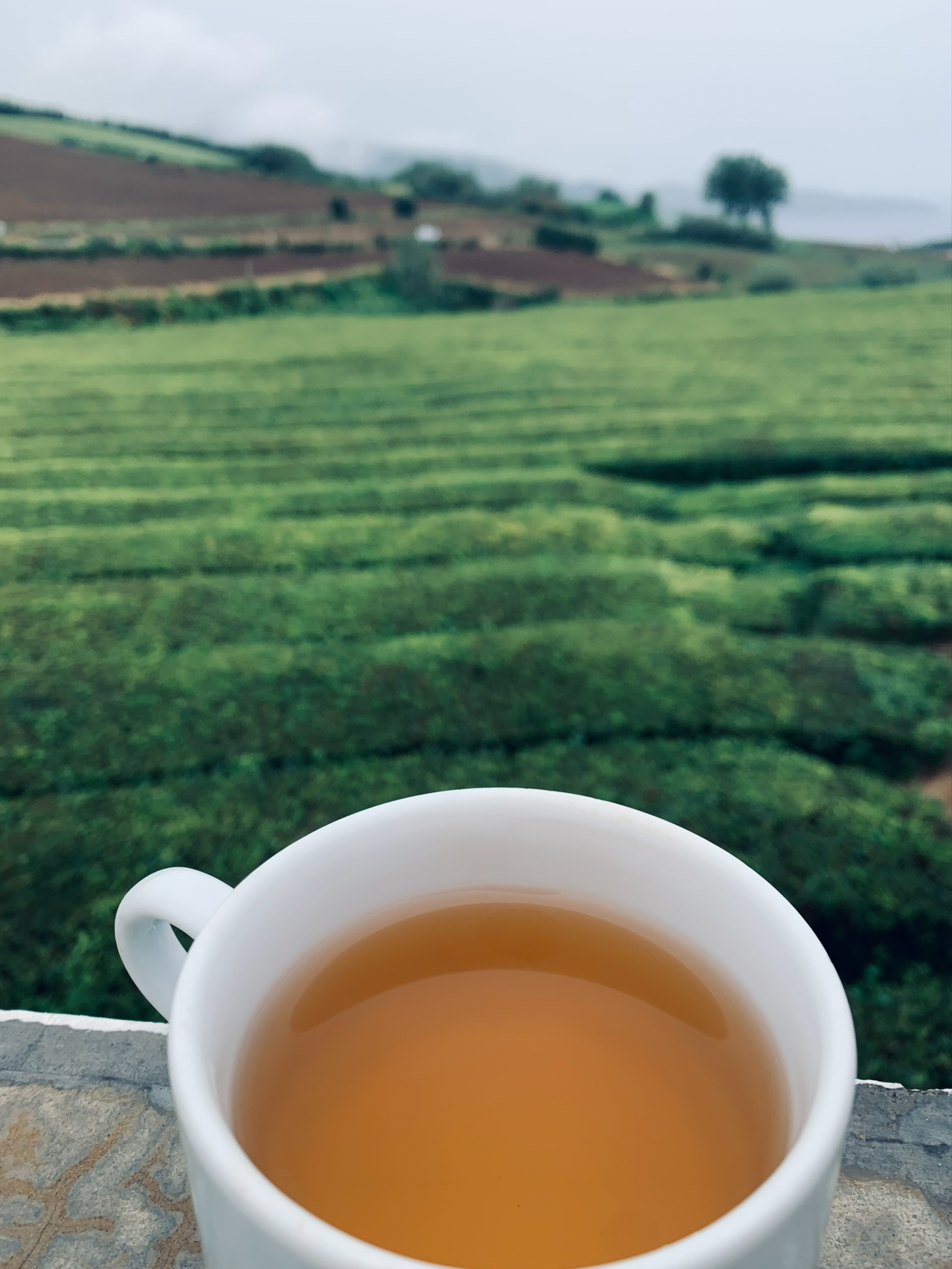
Stretching across the rolling hills of São Miguel Island in the Azores, Gorreana's endless tea fields create one of Portugal's most extraordinary landscapes. It's hard to believe you're still in Europe, where volcanic soil, Atlantic breezes, and more than 140 years of tradition have shaped Europe's oldest tea plantation.
A Portuguese princess with a habit no one in England understood yet
When Catherine of Braganza stepped off the ship in Portsmouth in 1662, seasick and exhausted from the crossing, she asked for a cup of tea. Nobody in the English court had any idea what she meant. They brought her a beer instead.
It is a strange way to begin what would become one of England's most cherished rituals, but it tells you almost everything you need to know about this story.
By 1662, Portugal had already been trading directly with China for over a hundred years, through the port of Macau. Tea had been part of daily life for Portuguese nobility for generations by the time Catherine, a Portuguese princess, arrived to marry King Charles II.
In England, meanwhile, tea existed, but barely. It had come in through Dutch traders a few decades earlier, and the English treated it the way you would treat an unfamiliar tincture from an apothecary. It was prescribed, not poured. People drank it to settle the spleen, to sharpen the memory, to help them sleep. Samuel Pepys, who kept one of the most detailed diaries of the era, wrote about trying "a China drink" for the first time in 1660. He did not seem particularly moved by it.
Catherine did not share that caution. She had grown up drinking tea the way I grew up drinking coffee, without ceremony, without prescription, simply because it was what people around her did every afternoon. When she brought that habit into English court life, something shifted.
Historians still argue over the details. Some credit her directly with introducing tea to England, others point out that the Dutch got there first and that the story of her personal chest of tea leaves may be more legend than fact. What nobody disputes is this: within a generation of her arrival, the English had stopped treating tea like medicine and started treating it like pleasure. That shift happened at exactly the same time a Portuguese queen made drinking tea look like the most natural thing in the world.
Three and a half centuries later, afternoon tea is considered one of the most English things imaginable. I always find that quietly funny. Tea really did become entirely England's own. The version of the story people tell just rarely mentions Macau, or Lisbon, or a seasick queen handed a pint instead of what she actually asked for.
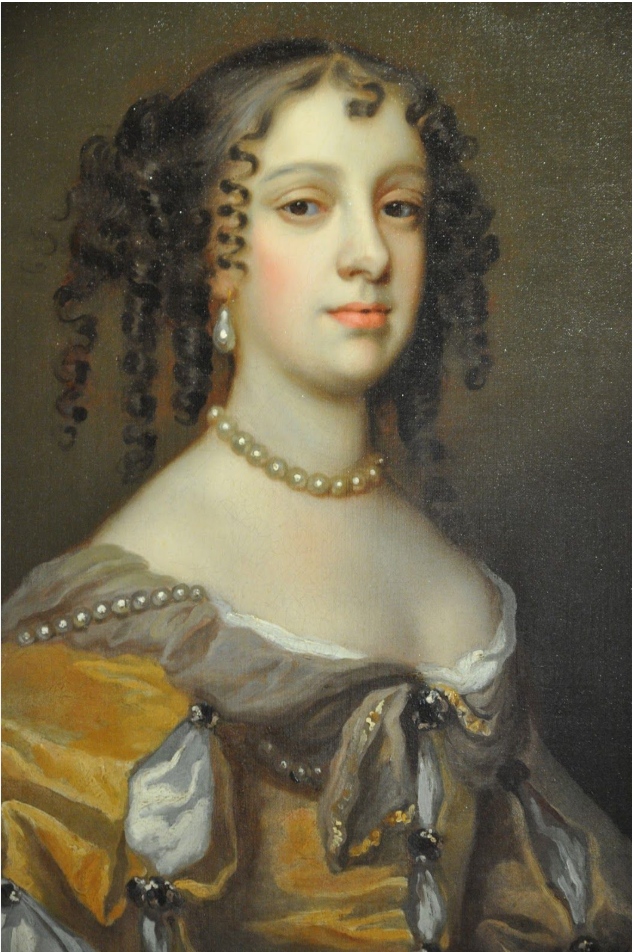
A portrait of Catherine of Braganza, the Portuguese princess who became Queen of England. Her marriage to King Charles II in 1662 helped introduce tea to the English court, sparking a tradition that would become an essential part of British culture.
A pattern worth noticing
This is not an isolated case. Portugal has a long history of quietly shaping habits that other countries later claimed as entirely their own. It is the same country that, centuries ago, helped draw the first global map of the world, and the same country whose missionaries, without meaning to, gave Japan the technique behind what we now call tempura.
There is something almost familiar in this. Perhaps you have a grandmother's recipe or a family habit whose real origin got lost somewhere between generations, until it just became "the way things are done." Portugal's influence on the world often works the same way: quiet, personal, carried by individual people rather than empires, and easy to overlook until someone tells you where to look.
Where this takes you today
You do not need to search hard to feel this same quiet confidence in Portugal today. It shows in an afternoon spent at a proper pastelaria, unhurried, with good tea or coffee and a “pastel de nata” that has barely changed in generations. It shows in a country that never needed to shout about its own history to make it matter.
The places that carry this kind of quiet history are rarely the ones at the top of a typical itinerary. They tend to be a short walk from the obvious stops, in a café that has served the same three generations of a family, or a garden that once belonged to someone whose name barely appears in any guidebook. Finding them without spending your trip chasing directions is exactly the kind of thing a good local guide takes care of, so your afternoons can move at your own pace instead of the itinerary's.
A cup worth pausing over
The next time you are offered a cup of tea, in England or anywhere else, it is worth remembering it carries a small piece of Portugal inside it. A queen who kept a habit from home, and, three hundred and fifty years later, a country still quietly leaving its mark on the world without asking for credit.
Do you want your next trip to Portugal designed by someone who knows the country as well as those navigators once knew the ocean, so all you have to do is enjoy it? Scroll up and talk to Olive.
