
Portugal's Borders Have Barely Changed Since 1297
Before Italy existed. Before Germany existed. Portugal already looked almost exactly like it does today.
Most European countries you could name are, historically speaking, quite young. Italy and Germany only became unified nations in the 19th century. Borders across the continent shifted again and again, through wars, treaties, and empires. Portugal is the exception.
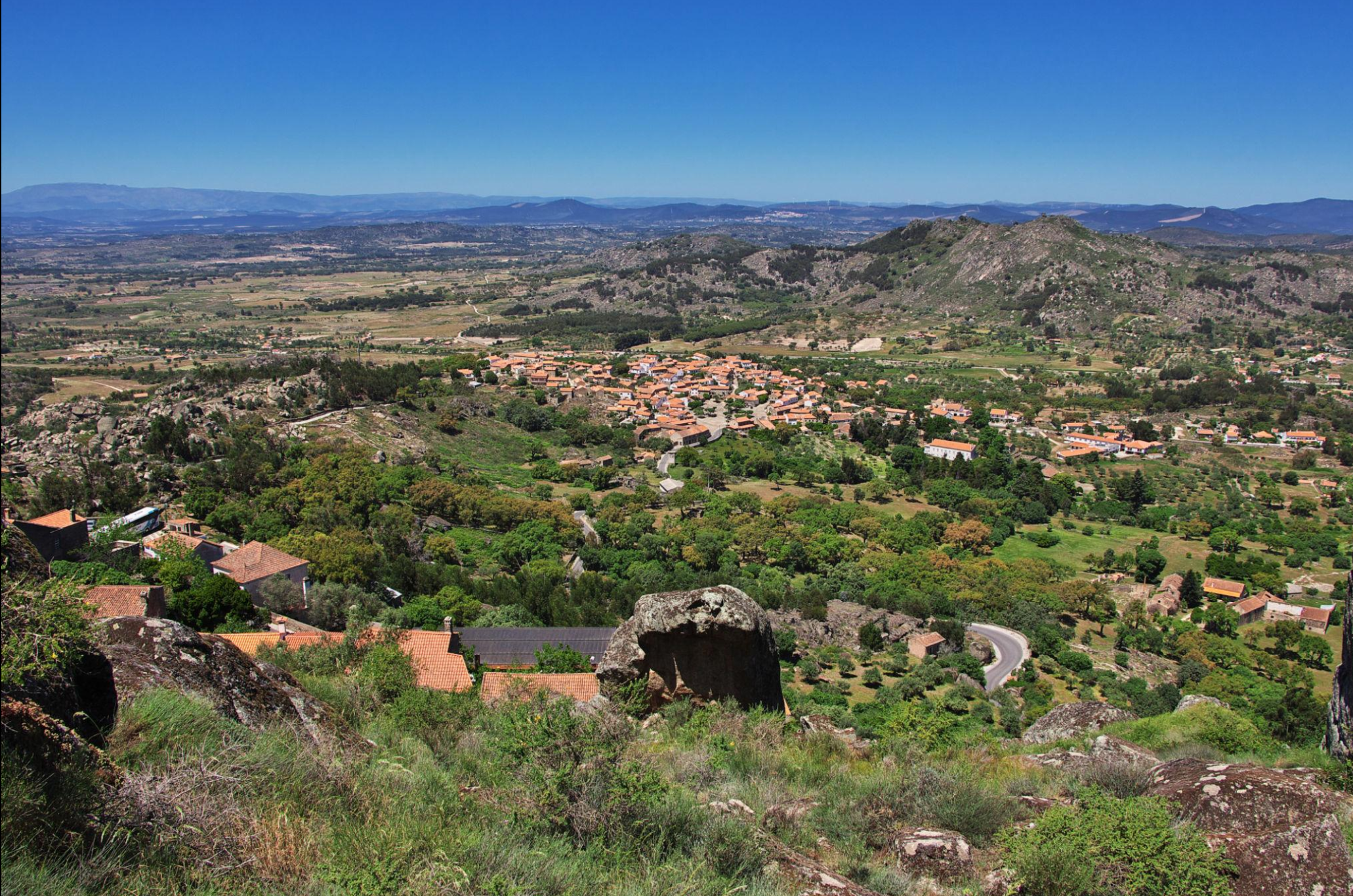
Monsanto, often called "the most Portuguese village in Portugal", lies close to the Spanish border. Its unique blend of massive granite boulders, ancient olive groves, cork oak forests, and rolling farmland creates one of the most iconic rural landscapes in Portugal's country side.
A border drawn in 1297, and barely touched since
I've passed this border more times than I can count, and it still doesn't quite make sense. It hasn't really moved since 1297.
That's the year of the Treaty of Alcanices, the agreement that fixed the line between Portugal and what would become Spain. Portugal was already an independent kingdom by then, since 1143, more than 300 years before Spain existed as a unified nation at all, in 1479.
Whatever brought your own family across the Atlantic, this border was already old news by the time it happened.
Aside from a few small adjustments over the centuries, it still runs almost exactly where it did in the thirteenth century. A traveller from 1297 would recognise this map today. Meanwhile the rest of Europe kept getting redrawn, empires fell, nations unified, two world wars rearranged the continent twice over.
Portugal just stayed. Seven hundred years of holding the same ground while everyone around you kept changing theirs, that's already what it means to be Portuguese.
It's rare company, but Portugal isn't alone in this. A handful of borders in Europe have survived largely intact for centuries:
Andorra — 1278 (Pariatges)
Portugal — 1297 (Treaty of Alcanices)
San Marino — c. 1463
Switzerland — largely unchanged since 1515
The Netherlands — internationally recognised since 1648
Andorra beats us by twenty years. I can live with that.
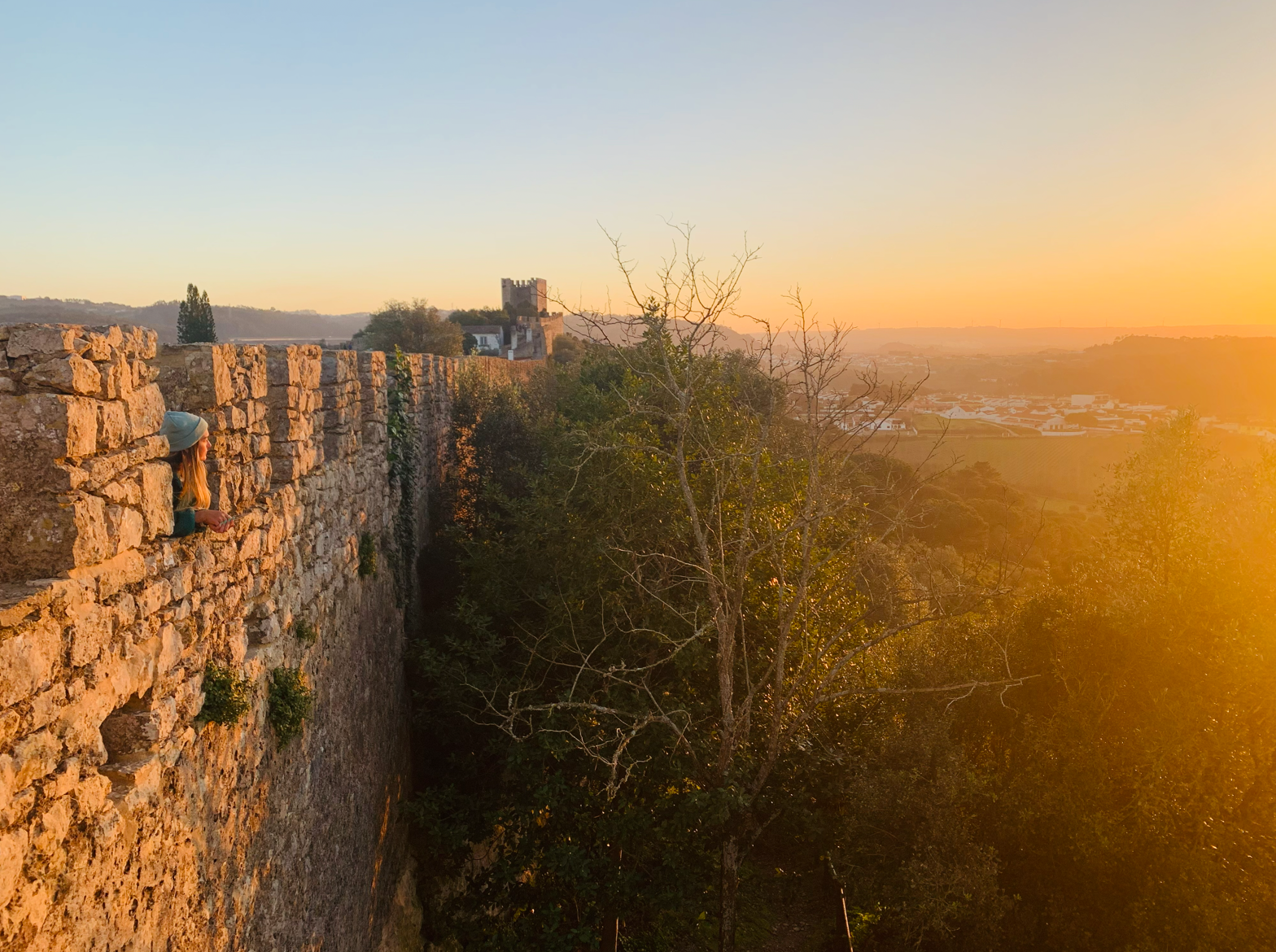
Visiting Óbidos in 2023. Every return reminds me why this medieval town remains one of Portugal's most enchanting destinations.
What stayed the same on the inside
A stable border did not mean a quiet country. Behind that same outline, Portugal built and later defended over 150 castles, many of them beautifully preserved, scattered across hills and river valleys from north to south. Several sit in villages built for a gentler pace of life, with cobbled main streets, quiet cafés nearby, and viewpoints you can reach without any strenuous climbing, ideal for a slow, unhurried morning rather than a rushed checklist stop.
Walking through towns like Óbidos, Marvão, or Guimarães, at whatever pace suits you, is not just about admiring old stone walls. It is about understanding, quite literally, what stood behind the border for seven centuries. Each castle has its own story, its own siege, its own reason for standing exactly where it does.
A detail worth carrying with you
Next time you cross from Spain into Portugal, or stand before one of its many castles, remember you are looking at a shape that has barely changed in over seven hundred years. Very few places on earth can say the same.
Do you want your next trip to Portugal designed by someone who knows the country as well as those navigators once knew the ocean, so all you have to do is enjoy it? Scroll up and talk to Olive.
